
Invitation Printing Techniques to Dazzle Your Guests
You've finally nailed down your wedding date, locked in your venue, and now you're staring at a blank screen trying to design the perfect invitation. But here's the thing: the design is only half the battle. The printing technique you choose can transform a pretty digital mockup into something your guests will actually want to display on their fridge (or at least not immediately recycle). The difference between a standard invitation and one that makes people gasp when they open the envelope often comes down to texture, dimension, and those tactile details that make people think, "Wow, this must have cost a fortune."
Here's the good news: it doesn't always have to. While some printing techniques definitely fall into splurge territory, there are plenty of budget-friendly ways to add that elevated, custom feel to your wedding suite. The trick is knowing which techniques deliver the most impact for your investment and which ones are worth saving up for if stationery is your thing.
Whether you're working with a modest invitation budget or you've decided this is the one place you want to go all out, understanding your printing options will help you make choices that align with both your aesthetic and your wallet. Let's break down everything from the most accessible techniques to the ones that'll make your stationer's eyes light up.
Digital Printing: Your Budget-Friendly Foundation
Let's start with the most cost-effective option that still delivers gorgeous results: digital printing. This is essentially the fancy cousin of your home printer, using high-quality commercial equipment that produces crisp, vibrant colors and clean lines. Digital printing has come incredibly far in recent years, and most guests honestly can't tell the difference between digital and more expensive methods unless they're really studying your invite.
The beauty of digital printing is its flexibility. You can incorporate full-color designs, photographs, watercolor backgrounds, and intricate illustrations without worrying about per-color charges that come with some traditional methods. This makes it perfect for modern designs with gradients, detailed florals, or those trendy abstract shapes everyone loves right now. Plus, if you need to print variable information like guest names or table assignments on escort cards, digital printing handles that seamlessly without setting up a new plate for each variation.
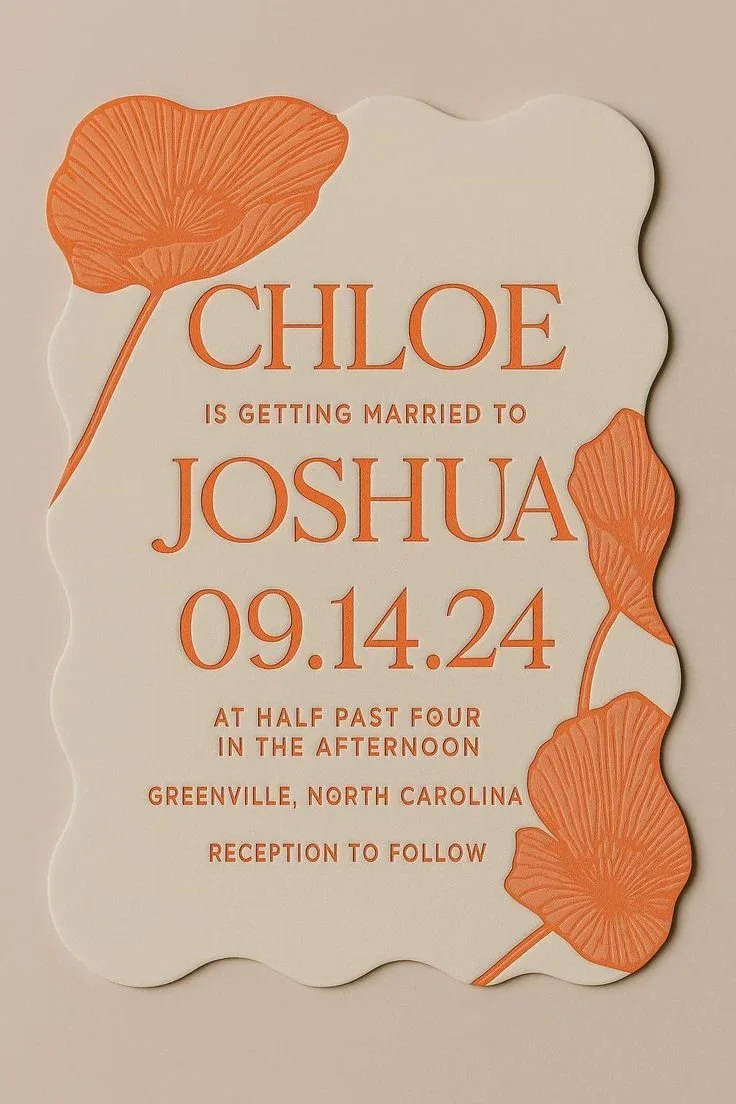
Cost-wise, you're typically looking at anywhere from $1 to $3 per invitation for digital printing, depending on paper quality and whether you're printing single or double-sided. That's incredibly reasonable when you consider that your invitation suite usually includes the main invite, RSVP card, details card, and envelope. To elevate digital printing without breaking the bank, focus on luxe paper stock. A beautiful cotton or linen paper with some texture can make digitally printed invitations feel substantially more expensive than they are. Many online printers offer paper upgrades for just a few cents more per piece, and that's often the best value add you can make.
Letterpress: The Splurge That's Worth Considering
If you've been scrolling wedding invitation inspiration on Pinterest or Instagram, you've definitely seen letterpress. It's that gorgeous technique where the text and design elements are pressed into the paper, creating a tactile impression you can feel with your fingertips. There's something undeniably romantic about letterpress that feels both vintage and timeless, which is why it remains one of the most sought-after printing methods for weddings.
Letterpress involves creating custom plates for your design, then using a specialized press to literally press ink into thick, soft paper. The result is a subtle debossed effect on the front and a slight raise on the back where the paper has been compressed. The imperfections are actually part of the charm — slight variations in ink coverage and impression depth give each invitation a handcrafted quality that machine-perfect printing can't replicate.
The catch? Letterpress is definitely an investment. You're typically looking at $6 to $15 per invitation, sometimes more for complex designs or multiple colors. The setup costs are significant because custom plates need to be created, and each color requires a separate plate and press run. This is where strategy comes in: if you love the letterpress look but need to watch your budget, consider using it selectively. You might do letterpress for your main invitation and use digital printing for your RSVP and details cards. Or keep your design to one or two colors instead of four. Black or navy ink on cream or white paper creates a classic, sophisticated look that never goes out of style, and single-color letterpress is typically the most affordable option within this technique.
Foil Stamping: Maximum Impact for Your Investment
Here's where things get really fun. Foil stamping uses heat and pressure to apply metallic or pigmented foil to paper, creating a shiny, eye-catching accent that photographs beautifully and adds instant glamour. Unlike printing with metallic ink (which can look flat), actual foil catches the light and creates dimension. Gold foil on navy paper? Stunning. Rose gold on blush? Dreamy. Silver on charcoal? Impossibly chic.
Foil stamping hits a sweet spot in the pricing spectrum. It's more expensive than digital printing but generally more affordable than full letterpress, usually ranging from $4 to $8 per invitation depending on the amount of foil coverage. Like letterpress, foil stamping requires creating a custom die, and each foil color needs its own pass through the machine. But here's the insider tip: you get more bang for your buck if you use foil strategically rather than covering large areas. Foiling your names, monogram, or key design elements creates that luxe look without requiring extensive foil coverage that drives up costs.
You can also combine foil with digital printing, which is a total game-changer for budget-conscious brides who want that elevated feel. Print your full-color design digitally, then add a single foil element like a border, your initials, or a small motif. This hybrid approach costs significantly less than full foil coverage while still delivering that "wow" factor. Many online invitation companies now offer foil as an add-on to their digital designs, making this technique more accessible than ever. And if you're DIY-inclined, there are actually home foil systems available (though they require practice and patience to get professional-looking results).
Embossing and Debossing: Subtle Sophistication
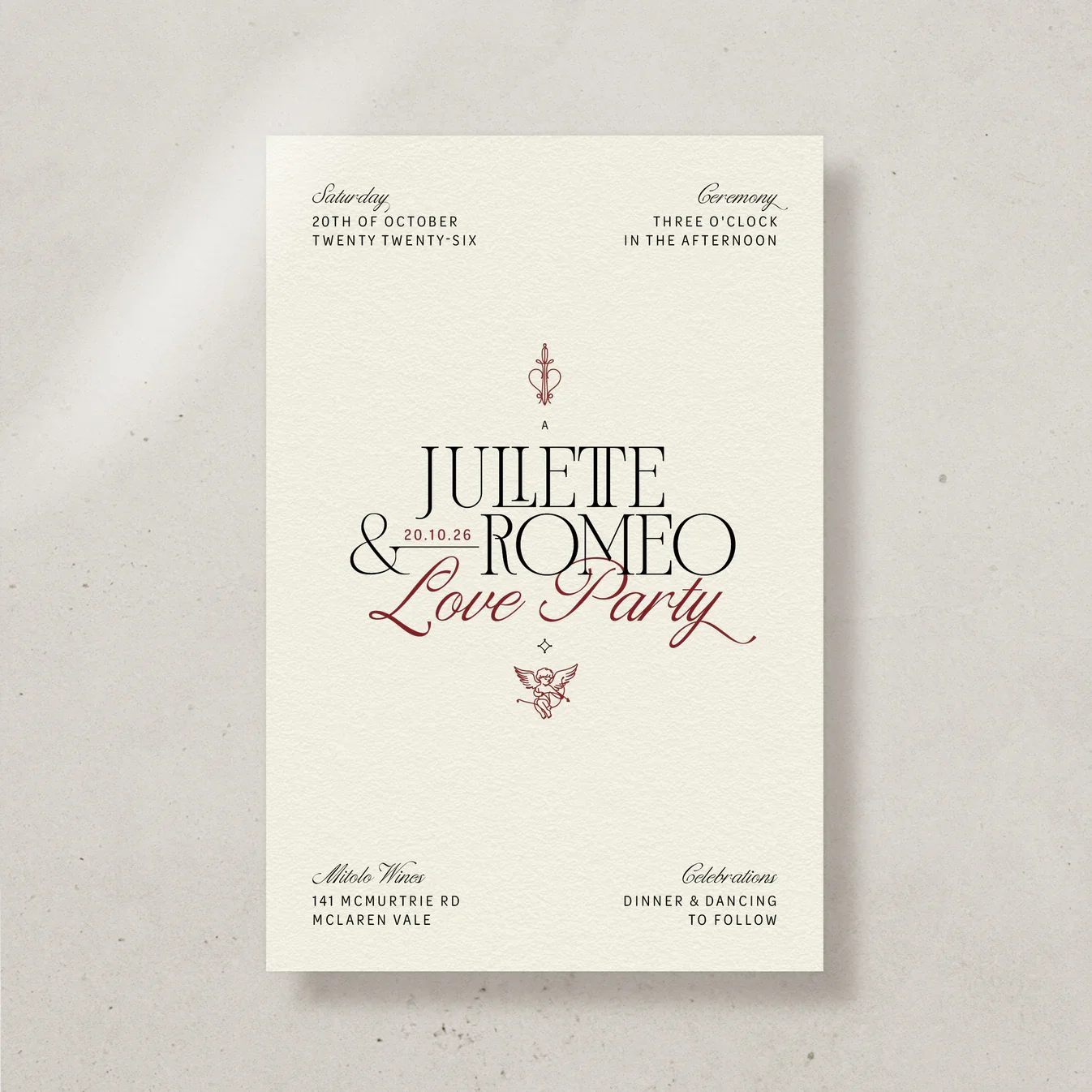
Embossing creates a raised impression on paper without ink, while debossing creates an indented impression. Both techniques add incredible texture and dimension to invitations, and they work beautifully alone or combined with other printing methods. Blind embossing (embossing without color) has a particularly elegant, understated quality that appeals to brides going for a minimalist or classic aesthetic. Imagine your monogram embossed on the envelope flap, or a delicate floral pattern debossed into your invitation border.
These techniques fall into the moderate-to-splurge category, typically costing $3 to $10 per invitation depending on the complexity of the design and whether you're combining them with printing. Like letterpress and foil, embossing and debossing require custom dies, which is where much of the cost comes from. But if you're printing a larger quantity (think 150 invitations or more), that setup cost gets distributed across more pieces, bringing down the per-unit price.
The strategic way to use embossing or debossing is to pair it with simpler printing techniques. You might digitally print your invitation text and then add a debossed monogram or border. Or create a fully blind-embossed invitation with just your names and wedding date, letting the texture do all the talking. This approach is particularly effective on thick, luxurious paper where the impression really stands out. Cotton or bamboo paper stocks are perfect for embossing because they're soft enough to take a deep impression without cracking.
Edge Painting and Envelope Liners: The Details That Delight
Sometimes the most memorable details aren't about the printing technique itself, but the finishing touches that make your invitation suite feel completely custom. Edge painting — where the cut edges of your invitation cards are painted in a complementary or contrasting color—adds an unexpected pop of personality that guests notice when they're handling your invite. It's like the wedding stationery equivalent of Christian Louboutin's red soles: a hidden detail that signals thoughtfulness and style.
Edge painting typically costs $1 to $3 per card, which is relatively affordable compared to some printing techniques. You can paint all four edges or just the top edge for a more subtle effect. Popular choices include metallic gold or rose gold edges, or painting the edges in one of your wedding colors. This detail works especially beautifully with thicker cardstock (think 130-pound cover weight or higher) where the edges are substantial enough to really showcase the paint.
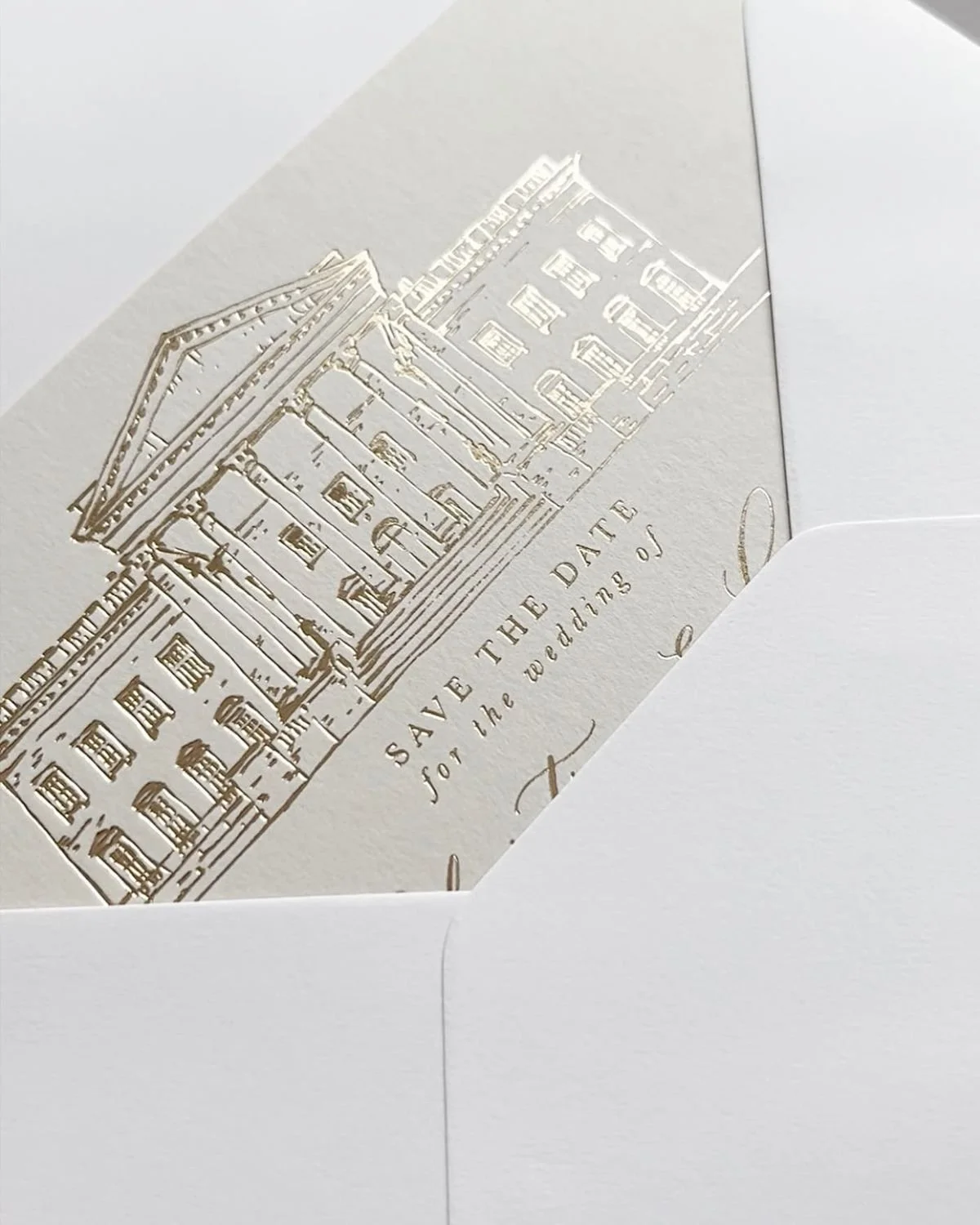
Envelope liners are another high-impact, moderate-cost upgrade that transforms your entire presentation. Custom liners in a coordinating pattern, metallic paper, or even velvet can elevate even the simplest invitation. Most stationers charge $1 to $4 per lined envelope, but you can also DIY this element with liner templates and double-sided tape if you're crafty and have time. The moment someone opens your envelope and sees a gorgeous liner peeking out, it sets expectations for something special inside. Pair digital printing with edge painting and custom envelope liners, and you've created a suite that feels far more expensive than its actual cost.
Making Your Choice: What to Prioritize for Your Budget
So how do you actually decide where to invest? Start by identifying what matters most to you aesthetically and what will best represent your wedding style. If you're having a garden wedding with lots of organic, romantic details, letterpress on soft cotton paper might be worth the splurge because it aligns perfectly with your vibe. Planning a modern, glamorous celebration? Foil stamping will photograph beautifully and complement your overall aesthetic.
Consider your guest count too, because printing costs scale with quantity. If you're inviting fifty people, splurging on letterpress might be more feasible than if you're printing three hundred invitations. Remember that you don't need to use the same technique for every piece in your suite. Mix and match strategically: letterpress or foil for the main invitation where you want maximum impact, digital for the enclosure cards, and save budget for one special detail like edge painting or envelope liners that ties everything together.
Also think about what your guests will actually notice and appreciate. While you might agonize over whether to use blind embossing versus foil stamping, most guests will simply register "beautiful, high-quality invitation." Sometimes the best investment is premium paper stock with a simpler printing technique rather than standard paper with elaborate printing. That thick, textured paper stock feels luxurious in hand and signals quality immediately, even before anyone looks at the design.
Your Invitation Printing Game Plan
The perfect invitation suite doesn't require you to use every fancy printing technique available. It requires thoughtful choices about where to add special touches that align with your style and budget. Digital printing gives you flexibility and affordability while still delivering beautiful results. Foil stamping offers glamour and shine without the full investment of letterpress. And those finishing details like edge painting or custom envelope liners let you add personality without committing your entire budget to printing techniques.
Remember that your invitations are giving guests their first real glimpse into your wedding day. Whether you go all-in on letterpress or stick with elevated digital printing plus strategic upgrades, the goal is creating something that feels authentically you and sets the right tone for your celebration. Your stationer can help you navigate options and find the sweet spot between your vision and your budget, so don't hesitate to have honest conversations about pricing and where you can maximize impact. With the right combination of techniques and a little strategic thinking, you'll create invitations that absolutely dazzle — without the regret of overspending on paper when you'd rather put that money toward the honeymoon fund.