
The Real Cost of DIY: When to Craft & When to Buy

You're three weeks out from your wedding, surrounded by Pinterest-worthy inspiration boards, and you've just realized that the "simple" hand-lettered table numbers you committed to making yourself have turned into a full-scale production involving specialty pens, cardstock you ordered twice because the first batch was wrong, and a YouTube tutorial that's now haunting your dreams. Sound familiar?
Here's what nobody tells you about DIY wedding projects: they don't always save money. In fact, wedding planners consistently report that couples underestimate both the time and cost involved in doing things themselves. When you factor in supplies, tools you don't already own, the learning curve, and the very real possibility of expensive mistakes, that charming DIY project can quietly balloon into something that costs just as much—or more—than hiring a professional would have.
This isn't meant to scare you away from crafting. Some DIY projects absolutely make sense and can save you real money while adding genuine personal touches to your day. The key is knowing which projects fall into the "worth it" column and which ones belong firmly in the "just hire someone" category. Consider this your cheat sheet for making smart decisions about where to invest your time and energy—so you can actually enjoy being engaged instead of drowning in glue gun burns and existential dread.
The Hidden Math Behind DIY Projects
Before you add another craft project to your wedding to-do list, let's talk about the numbers nobody mentions. Wedding planners point out that DIY projects can end up costing more than anticipated due to hidden expenses or mistakes along the way — from supplies and tools to labor, there are many factors that contribute to the quotes you receive from professionals. When a vendor quotes you $500 for something, they're factoring in wholesale pricing, professional-grade materials they already own, and years of experience that help them avoid costly errors.
You, on the other hand, are starting from scratch. That Cricut machine everyone swears by? It's an investment that only makes sense if you'll use it well beyond your wedding day. The vinyl, specialty papers, and accessories add up fast—and that doesn't account for the hours you'll spend learning the software and troubleshooting when things inevitably go sideways. As one bride discovered, creating custom vinyl decals for a single sign took her friend (who already owned the machine and knew how to use it) several hours to complete. The final assessment? A custom sign that would have cost around $100 ended up being a full day of labor when you count cutting plywood, painting, and applying the decals.
Here's a framework to run before committing to any DIY project: Calculate the total cost of materials, add in any tools you'd need to purchase, estimate your time at a reasonable hourly rate (yes, your time has value), and then pad that number by 20% for mistakes and do-overs. Compare that total to what a professional would charge. If DIY still comes out cheaper and you genuinely enjoy crafting, proceed. If the numbers are close or DIY costs more, skip it without guilt.
Projects Worth Your Time and Energy
Not all DIY is created equal. Some projects genuinely offer savings without sacrificing quality — and they won't leave you stress-crying into your seams the week before your wedding. Here's where rolling up your sleeves actually pays off.
Welcome signs and simple signage are excellent DIY candidates, especially if you go the thrifted-frame route. Hitting up your local secondhand stores for vintage frames costs next to nothing, and you can create beautiful inserts using free design tools like Canva and your local print shop. The key is keeping designs simple; a clean font on quality cardstock looks elegant without requiring artistic talent. Directional signs made from scrap wood, painted in your wedding colors, add charm without complexity.
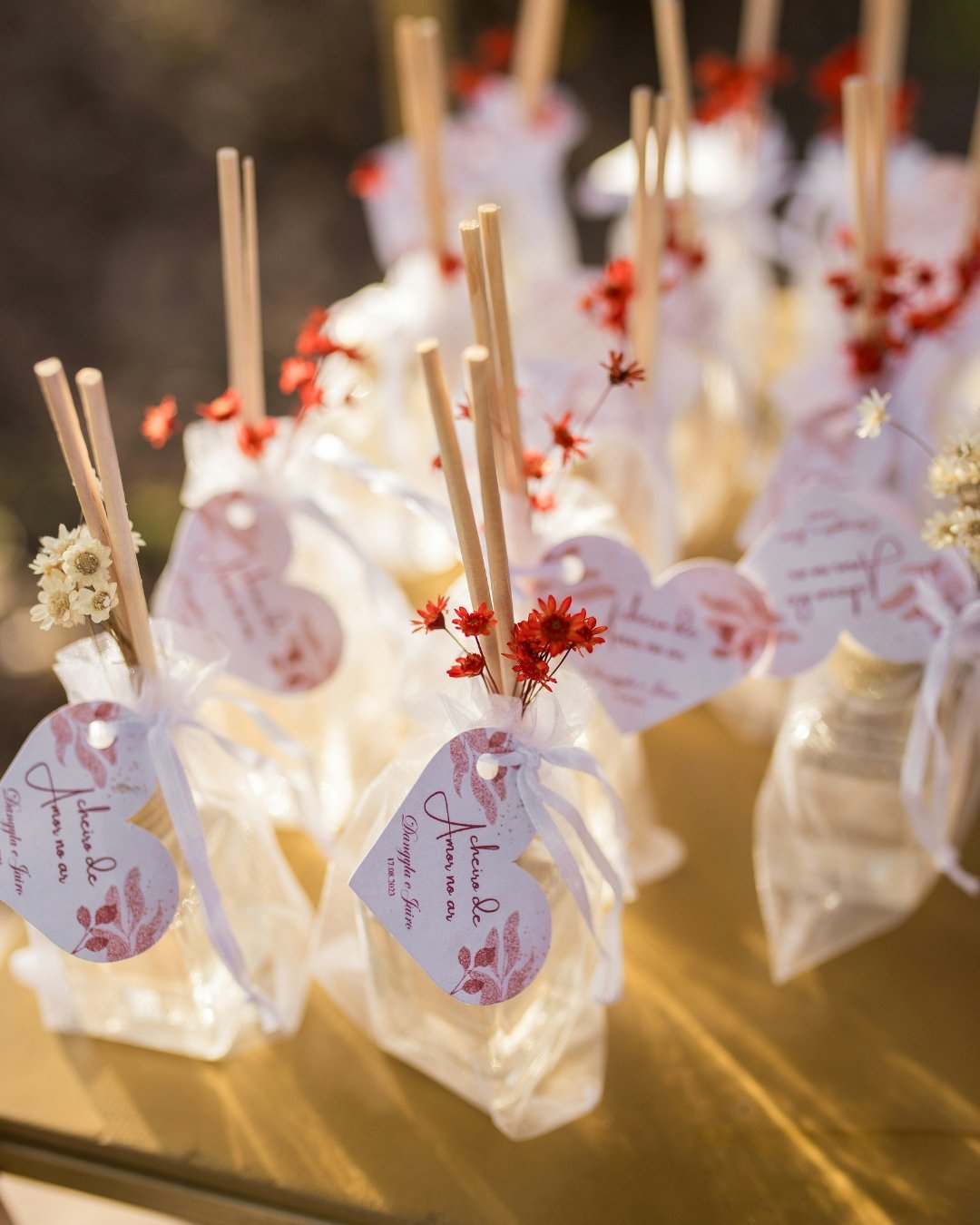
Wedding favors are another sweet spot for DIY, particularly edible ones. Making your own honey jars with printed labels, assembling hot chocolate kits, or packaging homemade cookies costs a fraction of buying pre-made favors— and guests actually appreciate the personal touch. The trick is choosing favors you can assemble in large batches without losing your mind. Anything that requires intricate individual work (hand-piped royal icing cookies, we're looking at you) should probably be outsourced.
Digital invitations and stationery have come a long way, and designing your own through platforms like Canva, Minted, or Zola can save serious money while looking completely professional. Even if you want printed invitations, designing them yourself and using an online print service cuts costs significantly compared to full-service stationers. Where it gets tricky is when you want specialty finishes like letterpress or foil stamping—those require professional equipment and expertise.
Simple centerpieces and table décor can be fantastic DIY territory if you keep the design straightforward. Think candle arrangements, greenery runners, or vintage book stacks – items that don't require technical skill or time-sensitive assembly. The rule of thumb: if you can prepare it weeks in advance and it won't wilt, die, or require day-of assembly, it's fair game.
Where to Step Back and Hire a Pro
Here's where we get real about the projects that seem budget-friendly but routinely backfire. Certain wedding elements carry too much risk, require too much expertise, or have too small a margin for error to attempt yourself.
Photography tops this list, and there's no debate. Asking a friend with a nice camera to shoot your wedding might seem like easy savings, but the risks are enormous. Professional wedding photographers charge what they do because they bring backup equipment, know how to handle challenging lighting situations, can manage large groups efficiently, and spend hours perfecting your images in post-production. Your wedding photos are the only vendor investment that lasts forever; years from now, they're how you'll remember the day. The average cost falls between $2,000 and $3,800 depending on your market, and couples who try to cut corners here almost universally regret it.
Floral arrangements are another category where DIY often fails spectacularly. Flowers are delicate, time-sensitive, and require knowledge most people don't have about conditioning, timing, and assembly. You can't prep your wedding flowers until the day before or day of—which means you're spending precious pre-wedding hours wrestling with blooms instead of relaxing with your bridal party. The learning curve is steep, and wholesale flowers that look gorgeous online arrive very differently than retail arrangements. If you're set on DIY florals, limit yourself to simple arrangements like bud vases or greenery garlands, and leave bouquets and statement pieces to the pros.
Music and entertainment might seem like an area where a killer Spotify playlist can save thousands. It can't. A DJ doesn't just play music — they emcee your evening, read the room, manage transitions, and keep your timeline on track. Without someone behind a microphone providing structure, guests end up confused about what's happening next, and those awkward dead-air moments multiply. As wedding planners put it bluntly: a Spotify playlist is good for your dinner party, not your wedding dance floor.
Wedding cakes fall into similar territory. Unless you're a trained baker, attempting your own wedding cake is a recipe for disaster — both figuratively and literally. Temperature control, structural engineering (yes, that's what stacked tiers require), and smooth fondant work take years to master. The risk-to-reward ratio simply isn't there.
The Time Factor Nobody Talks About
Beyond dollars and cents, there's another cost that deserves serious consideration: your sanity and presence during what should be a joyful season of your life. DIY projects require time for planning and preparation, from researching ideas and gathering materials to creating a timeline for execution. The actual work can be time-consuming, especially for projects involving intricate details or repetitive tasks.
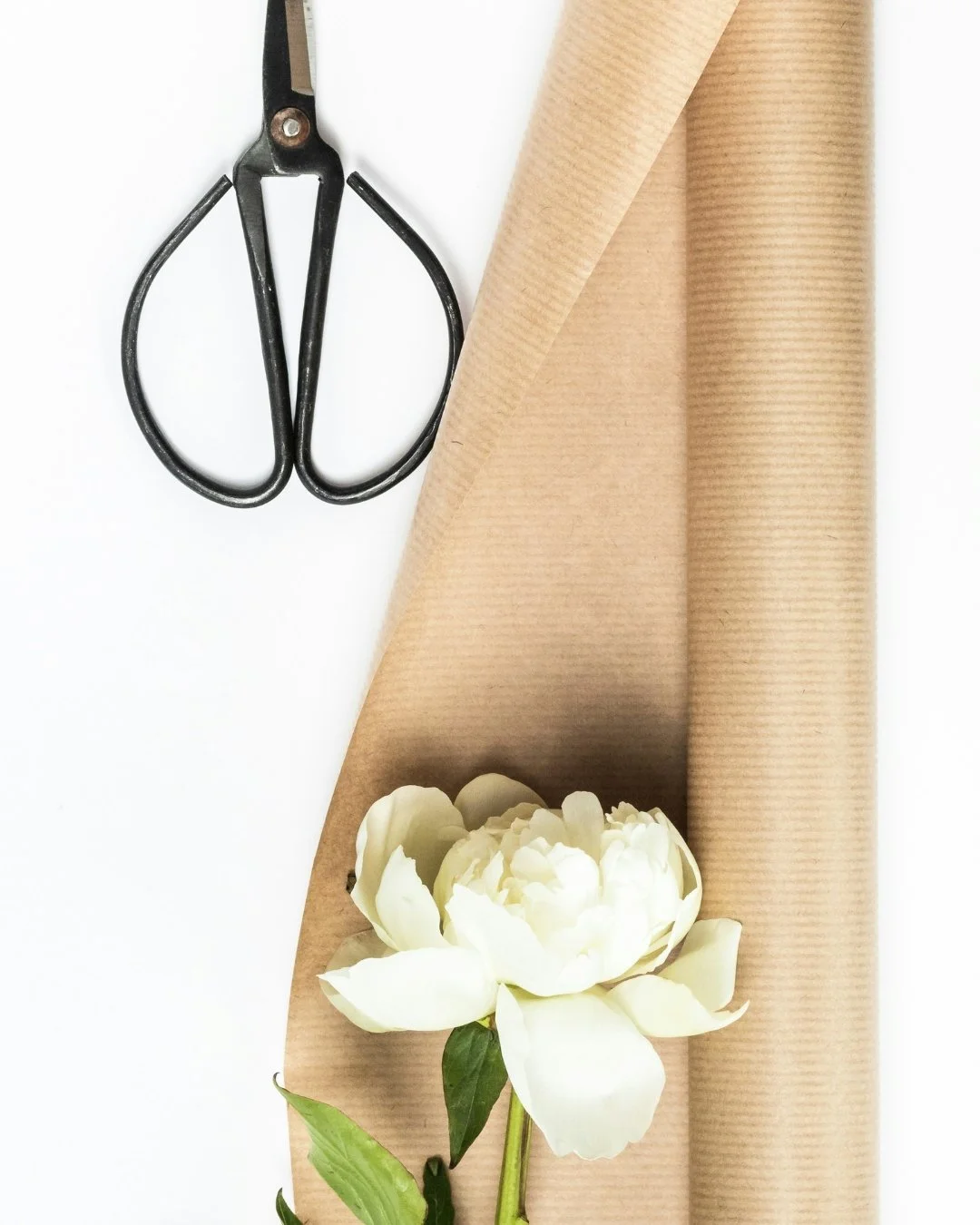
Wedding planning burnout is real, and overextending your creativity and time is one of the fastest routes there. There comes a point before your wedding day when you need to stop planning and start being present—showing up to your rehearsal dinner exhausted from a craft marathon isn't the memory you want to make.
Be ruthlessly honest with yourself about your available time and actual skill level. If you're not someone who already crafts regularly, you're not just learning a new skill, you're learning it under deadline pressure for a high-stakes event. The risk of wasting money on failed projects climbs exponentially when you're attempting something outside your wheelhouse.
A good gut-check: Would this project bring me joy, or am I only considering it because I feel like I should DIY to save money? If it's the latter, give yourself permission to buy instead.
A Smarter Approach: The Hybrid Strategy
The savviest couples don't go all-in on either DIY or full-service - they strategically blend both approaches. This means identifying the projects where your specific skills and interests align with genuine cost savings, then happily hiring out everything else.
Consider rental options as a middle ground. Renting décor items like arches, ceremony seating, candle holders, and lounge furniture gives you a polished look without the cost of purchasing or the labor of creating. You're not stuck with storage or resale logistics afterward, and you benefit from quality pieces that have been used at many events.
The resale economy offers another smart path. Sites dedicated to secondhand wedding items are booming, and you can find everything from centerpiece supplies to signage at a fraction of retail cost. This approach gives you the look of DIY without the labor (someone else already did the work).
Finally, know when to call in reinforcements. Hiring a day-of coordinator — even if you've planned everything yourself – ensures someone else handles logistics, setup, and vendor communication while you enjoy your morning getting ready. The average cost for day-of coordination starts around $800, and it's one of the highest-value investments you can make, especially if you've taken on significant DIY elements that need assembly.
Making the Call
Here's your decision-making framework in a nutshell:
DIY makes sense when you have the skills, time, and genuine interest in a project
DIY when materials cost significantly less than professional services
DIY when mistakes won't derail your wedding day
DIY when the project can be completed well in advance.
Buy or hire:
When the project requires specialized equipment or expertise
When the time investment approaches or exceeds your hourly rate multiplied by the labor hours
When the item is time-sensitive or requires day-of execution
When the stress cost simply isn't worth the potential savings.
Your wedding should reflect you as a couple, and sometimes that means lovingly handcrafted details, while other times it means recognizing that the most "you" choice is prioritizing enjoyment over endless craft projects. There's no prize for DIYing the most elements, and no shame in hiring help for the things that don't spark joy.
The couples who nail this balance aren't the ones who did everything themselves or outsourced every detail. They're the ones who made intentional choices about where to invest their time and money, and actually enjoyed the journey to their wedding day. That's the real win.