
Design Decisions to Make Now Ahead of Your Summer 2026 Wedding
You're getting married in summer 2026, which feels like forever away, right? Except here's what happens: you blink, and suddenly it's spring 2026 and your florist is asking you to finalize centerpiece designs, your stationer needs final invitation copy, and you're realizing you never actually decided on a color palette beyond "something summery." Meanwhile, all those Pinterest boards you've been curating for the past year are somehow both incredibly specific (you've saved 847 photos of wedding cakes) and frustratingly vague (what even is your actual design vision?).
This is the danger zone of wedding planning — having enough time that everything feels flexible, but not so much time that you can keep putting off decisions indefinitely. The truth is, late 2025 is actually the perfect moment to nail down your core design direction. Not every tiny detail, but the foundational choices that will guide everything else. Think of it like choosing the paint color before you buy throw pillows, not the other way around.
Making these key design decisions now, about a year before your wedding, means you'll have clarity when vendors ask questions, consistency across all your details, and significantly less stress as deadlines approach. You'll also snag better vendor availability and potentially better pricing by booking and confirming details early. Let's break down exactly which design elements need your attention right now and how to make decisions you'll still love when summer 2026 actually arrives.
Your Color Palette: The Foundation of Everything
Here's the thing about wedding colors: they influence literally every other design decision you'll make. Your florals, linens, bridesmaid dresses, invitations, cake design, and even your lighting choices all flow from your color palette. So if you're still in the "maybe blush and sage? or terracotta? or navy?" phase, it's time to commit. Not because you can't have flexibility within your palette, but because you need a north star to guide all those vendor conversations happening over the next few months.
For a summer 2026 wedding, you're probably already thinking about whether you want to embrace classic summer vibrancy — think bold corals, sunny yellows, and fresh greens — or go for something more sophisticated and unexpected like dusty blue with amber accents, or creamy neutrals with pops of olive and rust. Consider your venue's existing aesthetic because you'll either want to complement it or provide enough contrast that your design stands out. A historic ballroom with gold details might be stunning with deep jewel tones, while a minimalist loft space gives you freedom to go bold or subtle.
The practical move is to choose 3-4 colors: 1 or 2 main colors, a neutral, and an accent. This gives you enough variety to create visual interest without things feeling chaotic or disjointed. And here's a secret that'll save you so much stress: pick colors that naturally exist in flowers that bloom in summer. If you're dead set on a color that requires importing out-of-season blooms from another hemisphere, either make peace with the added cost or adjust your palette. Your florist will have much more creative freedom (and your budget will thank you) if you're working with colors that show up naturally in June, July, and August flowers like garden roses, dahlias, zinnias, and cosmos.
Once you've settled on your palette, create a digital mood board or physical sample board with paint swatches, fabric samples, ribbon, or photos that capture the exact shades you mean. "Sage green" means something different to everyone, but a specific reference photo or Pantone color ensures your florist, stationer, and rental company are all working from the same vision. This is also the perfect time to share your palette with your wedding party if you're having one, so bridesmaids can start looking for dresses and you can begin thinking about groomsmen attire that coordinates.
Your Overall Design Style and Aesthetic Direction
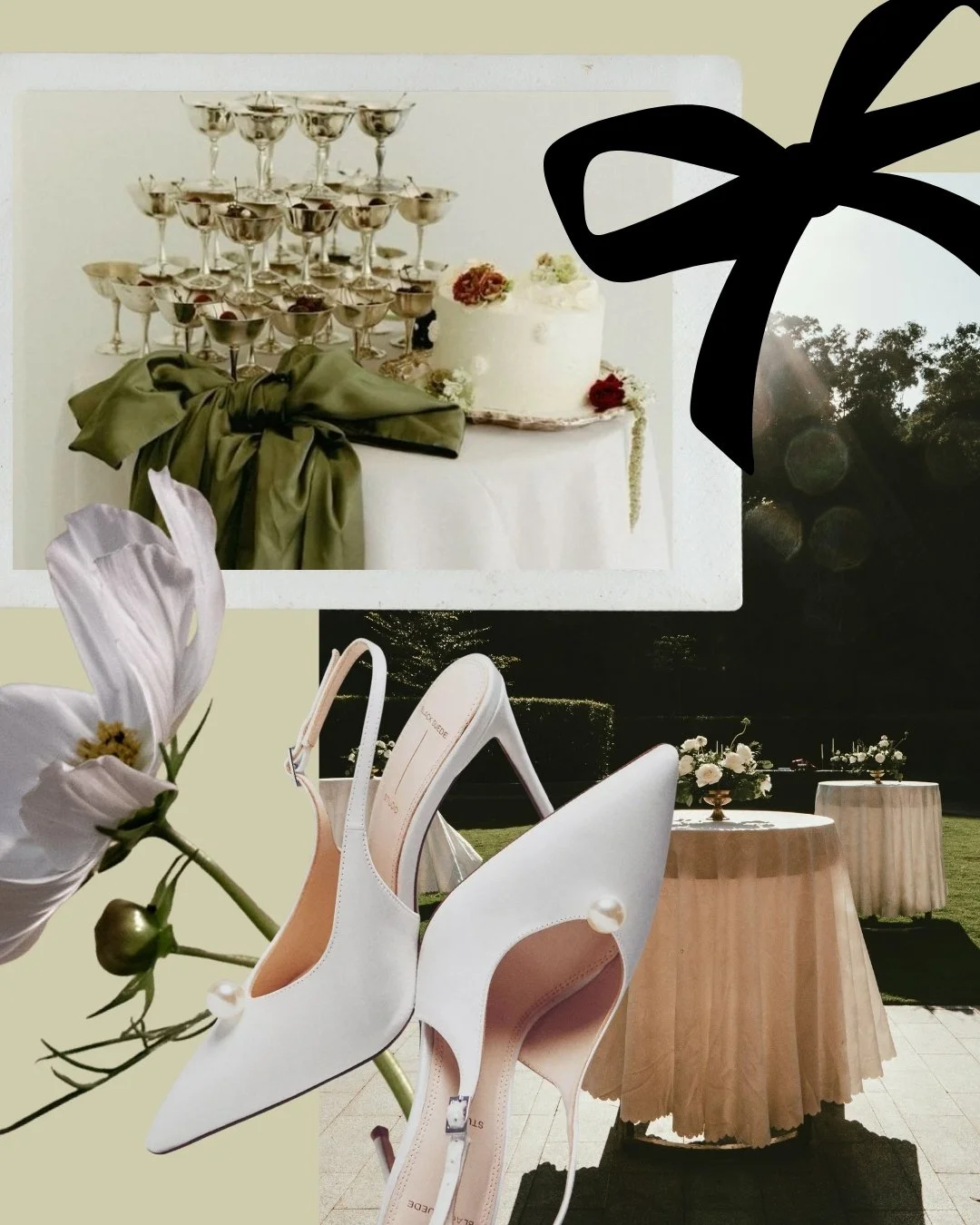
Beyond color, you need to define your actual design style, and this is where things get fun but also potentially overwhelming. You've probably saved inspiration photos that range from rustic barn vibes to ultra-modern minimalism to lush garden romance, and now you need to figure out which direction actually represents the wedding you want to create. This isn't about following trends (though it's totally fine if something trending really speaks to you), it's about identifying the aesthetic that feels authentically like you as a couple.
Start by looking at your inspiration images and identifying common threads. Are you consistently drawn to lots of organic texture and natural elements? That might mean you're craving a romantic garden or organic modern aesthetic. Do your favorite images feature clean lines, minimal florals, and lots of negative space? You might be a minimalist at heart. Tons of candles, moody lighting, and rich colors? Sounds like you're leaning toward dramatic elegance. The goal is to name your style so you can communicate it clearly to vendors. When your florist asks about your vision, "romantic with an organic, slightly wild feel" is infinitely more helpful than "pretty flowers." If you’re looking for help on how to hone in your vision and share it with others, check out our new moodboard & aesthetic kits filled with styling notes, color palettes, and additional curated inspiration!
Your venue choice often informs or limits your style to some degree, which is actually helpful for narrowing things down. A rustic barn naturally lends itself to organic, textural designs with lots of greenery and loose florals, though you could absolutely do unexpected modern glam in that space if you want the contrast. A sleek hotel ballroom might push you toward classic elegance or modern sophistication. If you've already booked your venue, use its architecture and existing features as a launching point. If you haven't, let your desired aesthetic guide your venue search — there's no point booking a farmhouse venue if you're dreaming of a black-tie ballroom affair.
This is also the moment to think about the level of formality you're going for, because that affects everything from your invitation wording to your table settings. A casual summer garden party allows for wildflower centerpieces and mismatched vintage china, while a formal evening celebration calls for structured florals and consistent place settings. There's no wrong choice, but consistency matters. Your design style and formality level should make sense together and align with the experience you want to create for guests.
Floral Design Direction and Key Installations
You don't need to choose every single flower right now (and honestly, you shouldn't, let your florist have creative freedom based on what's best in season and in their local market). But you do need to decide on the big picture: the general style of your florals, which key moments need floral focus, and approximately how lush or minimal you want to go. These decisions directly impact your budget, so getting clear now helps you allocate funds appropriately across all your design elements.
Think about the floral moments that matter most to you. Some brides prioritize a stunning ceremony installation, like a dramatic arch, a hanging installation above the altar, or a flower-covered chuppah. Others would rather save their floral budget for incredible centerpieces that will be photographed and enjoyed throughout the reception. Maybe you're dreaming of a floral-covered escort card display or a cascading installation over your sweetheart table. Figure out your non-negotiables and your nice-to-haves so you can have a realistic conversation with your florist about what's achievable within your budget.
The style direction matters too. Are you envisioning tight, structured arrangements that feel formal and polished, or loose, organic garden-style designs with lots of movement and texture? Do you want a single flower type for a modern, monochromatic look, or a mix of blooms with varied shapes and sizes? Summer gives you incredible options with dahlias, garden roses, sweet peas, zinnias, and cosmos all at their peak, plus plenty of lush greenery. If you're getting married in early summer versus late summer, that might influence your options too. June flowers lean romantic and abundant, while August offers bolder dahlias and more saturated colors.
Be honest with yourself about budget realities. Lush, abundant florals are gorgeous but expensive. If you're working with a moderate budget, decide whether you'd rather have one or two show-stopping installations and keep other areas simpler, or distribute your budget more evenly for moderate florals throughout. Consider non-floral elements that can extend your design too: candles, greenery garlands, fruit, or interesting vessels and containers can all add visual impact for less money than additional flowers.
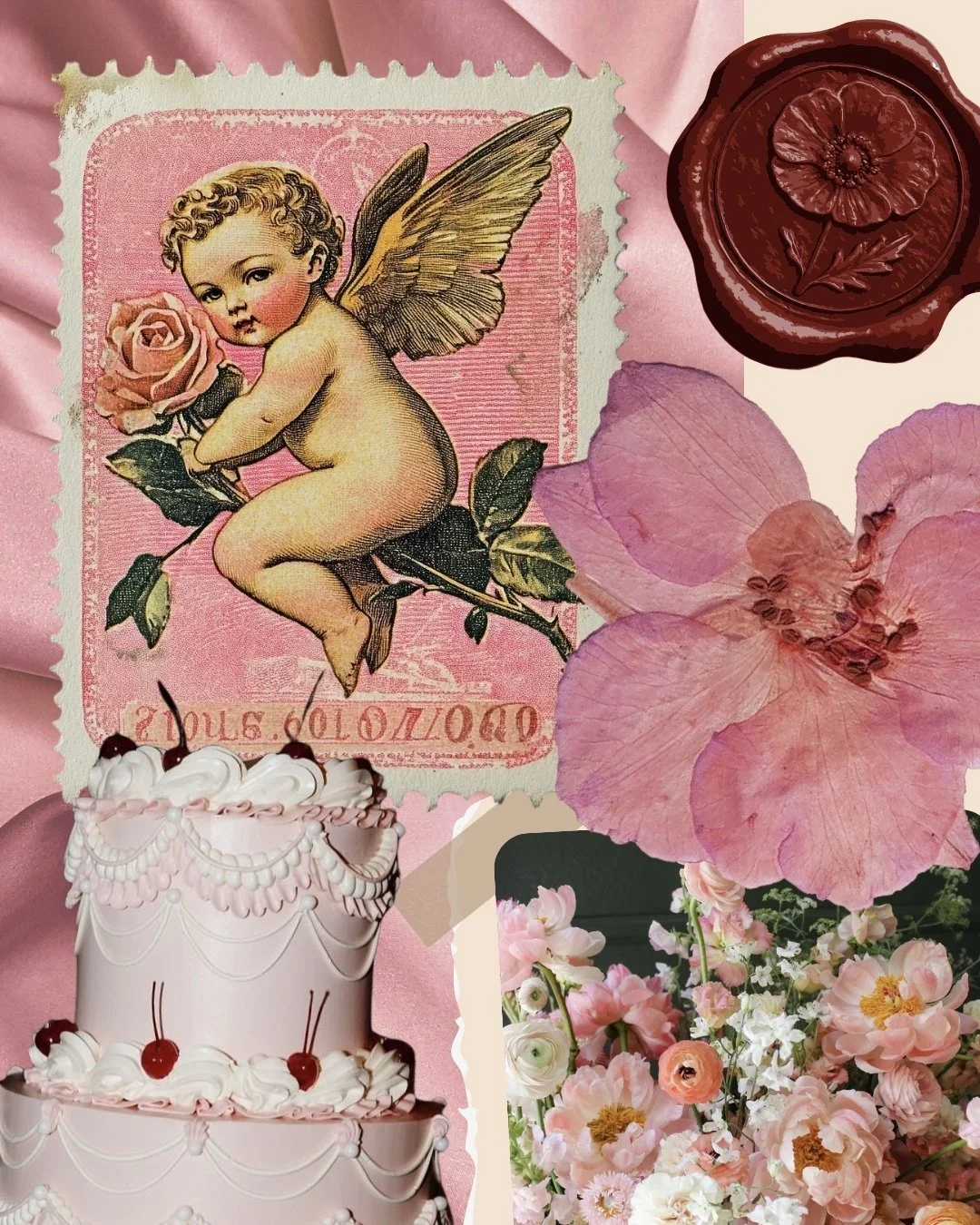
Reception Design Elements and Guest Experience Details
Your reception design encompasses everything from linens and place settings to lighting and lounge furniture, and these decisions need to happen in the coming months because most rental companies require final selections and quantities about two to three months before your wedding. Start thinking about the specific experience you want to create for guests during the reception, because that drives your design choices.
Table linens are a bigger deal than they might seem. The standard rental option is usually polyester in basic colors, which is fine, but upgrading to specialty linens in beautiful textures or patterns can completely transform your tablescape. Velvet linens add richness, gauze or silk creates romance, and patterned or textured linens bring personality. Linen costs vary wildly; you might spend an extra few hundred dollars on upgrades or several thousand, depending on your guest count and choices. This is a place where you can save money by keeping some tables simple (like cocktail tables) while splurging on your reception dinner tables.
Lighting deserves serious consideration, especially if your reception goes into the evening. String lights create a magical, romantic ambiance for outdoor or tented weddings. Uplighting can transform a blank-slate venue by washing walls in your wedding colors. Candles add warmth and intimacy to tablescapes. If you're in a space with harsh overhead lighting, you might need to supplement or replace it entirely to create the mood you want. Talk to your venue about their lighting capabilities and what you're allowed to bring in or change. Many venues have preferred lighting vendors who know exactly how to make the space look its best.
Think about the guest experience beyond just the visual elements too. Will you have lounge furniture for a cocktail hour or late-night hangout space? What about lawn games for an outdoor summer wedding, or a welcome drink station, or fun seating options beyond standard chairs? These experiential details make your wedding memorable and give guests moments of delight throughout the celebration. They also need to be planned and budgeted for now, not added as last-minute afterthoughts.
Invitation Suite Design and Paper Goods Strategy
Your invitations need to go out roughly 6 - 8 weeks before your wedding, which means if you're getting married in summer 2026, you'll need finished invitations by spring 2026. But here's the thing: most quality stationers need at least 6 to 6 weeks for design and production, plus you need time for addressing and assembling. That means January or February 2026 is when you'll need to finalize invitation designs, which means you should be selecting your stationer and starting the design process right around now.
Your invitation sets the tone for your entire wedding, so it needs to reflect the aesthetic and formality level you've already established. If you've committed to a romantic garden wedding with blush and sage colors, your invitation should echo that, maybe with watercolor florals, soft colors, and romantic typography. Planning something modern and minimalist? Clean lines, lots of white space, and simple typography communicate that effectively. The invitation is often guests' first tangible interaction with your wedding vision, so design consistency matters.
Start researching stationers now and reach out to a few whose portfolios align with your style. Many stationers book up months in advance for peak season weddings, so you want to secure your preferred choice soon. During initial consultations, share your mood board, color palette, and overall wedding aesthetic so they can create something cohesive. If you're using a semi-custom or template service instead of a fully custom designer, you'll have more flexibility on timing but should still start the process in the next few months to avoid rush fees.
Don't forget about other paper goods that need coordination: day-of stationery like programs, menus, place cards, and signage should all feel connected to your invitation design. Some couples choose to work with their invitation designer for everything, while others handle day-of items separately or DIY certain elements. Just make sure there's a cohesive thread through all your paper elements. You don't need everything to match exactly, but there should be clear visual consistency in color palette, typography, or design style.
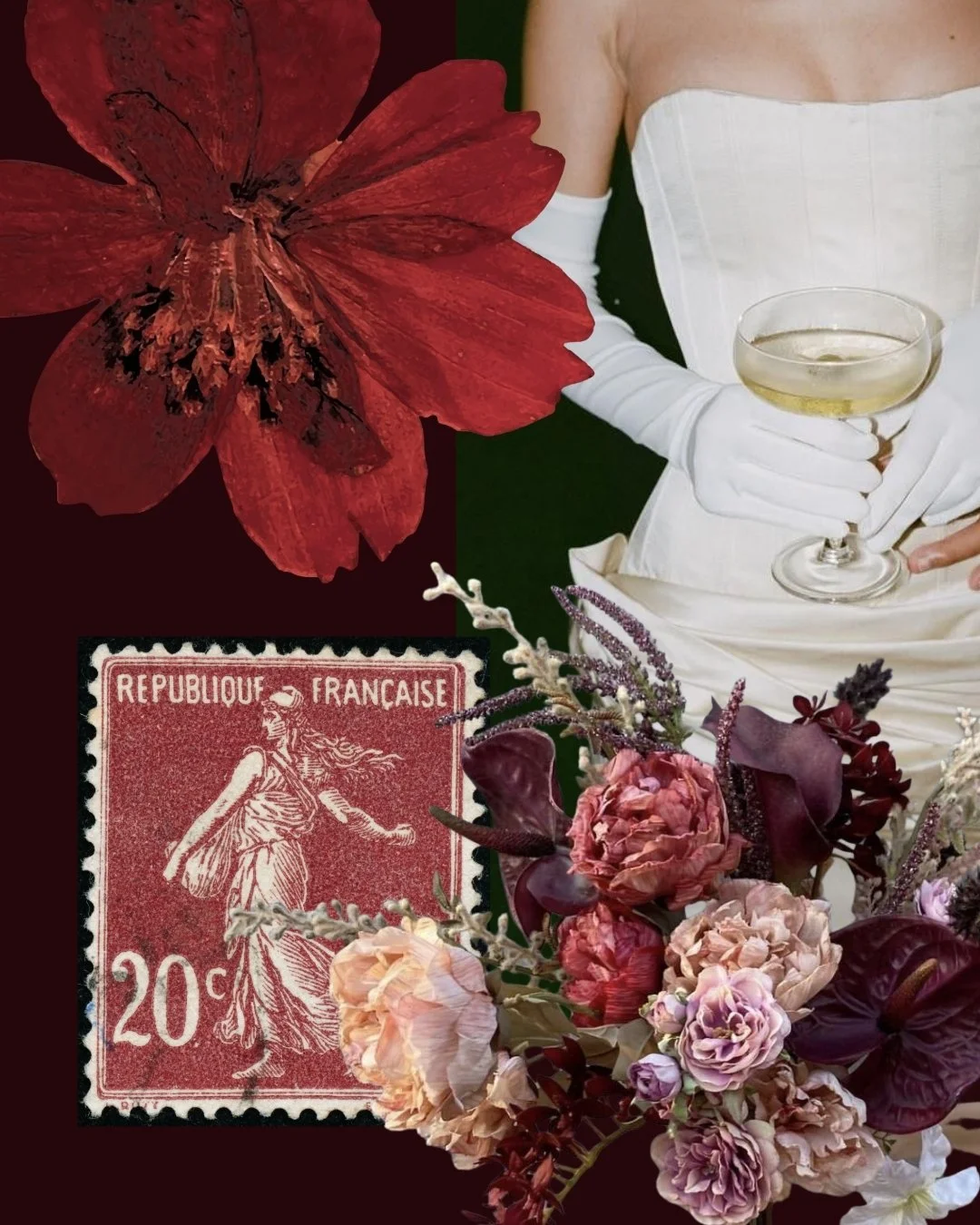
From FIELD GUIDE: MOODY ELEGANCE
Keeping Yourself on Track: A Practical Timeline
The best way to ensure you're making these design decisions without feeling overwhelmed is to break them into manageable chunks over the next few months. Tackle one major category per week or two rather than trying to decide everything at once. Start with your color palette since it informs everything else, then move into overall aesthetic and style. Once those foundations are set, you can make specific choices about florals, reception design, and invitations with much more clarity and confidence.
Create accountability for yourself by setting actual deadlines. Instead of "figure out flowers sometime soon," put "finalize floral direction and book florist by December 15" on your calendar. Schedule vendor meetings and design consultations now for the coming weeks so you have external deadlines that keep you moving forward. Enlist your partner, a trusted friend, or a planner if you have one to check in on your progress and help you make decisions when you're feeling stuck.
Remember that making these decisions doesn't mean everything is locked in stone. Most vendors are happy to make tweaks and adjustments as you get closer to the wedding, especially for smaller details. What matters is establishing the overall direction so everyone is working toward the same vision. Think of it as creating a roadmap: you need to know you're heading to the beach, not the mountains, even if you don't know exactly which beach or what time you'll arrive.
Moving Forward with Confidence and Clarity
Planning a wedding eighteen months out gives you the gift of time, but that time only works in your favor if you use it intentionally. By making these core design decisions now — your color palette, overall aesthetic, floral direction, reception design approach, and invitation style — you're setting yourself up for a dramatically less stressful planning process over the next year. You'll be able to make all those smaller decisions quickly because they'll clearly fit (or not fit) with the vision you've established.
Trust that the choices you make now are the right ones. You're making them when you're thoughtful and not rushed, when you have time to research and consider options, and when you can really listen to what feels authentic to you as a couple. Your summer 2026 wedding will be here before you know it, and future you will be so grateful that present you took the time to lay this groundwork. Now go tackle that color palette, and feel free to enjoy the process. This is the fun part where your wedding vision actually starts coming to life.