
Trendy vs Timeless: What Will Age Well in Photos
Picture this: You're scrolling through your parents' wedding album, and while their love story is beautiful, you can't help but notice the puffy sleeves, the excessive lace, the color palette that screams 1987. You smile affectionately, maybe even laugh a little, and then a cold fear grips you — what if your wedding photos look just as dated in 30 years?
This anxiety is real, and it's one of the most common concerns brides have. You want your wedding to feel current and reflect who you are right now, but you also want to look back in decades and see something beautiful, not a time capsule of trends that didn't age well. The pressure is especially intense because unlike your everyday wardrobe choices, your wedding photos are permanent. They're the images that will hang in your home, sit on your parents' mantel, and eventually get passed down through generations.
Here's the good news: You don't have to choose between a wedding that feels fresh and one that stands the test of time. We’ve scoured the internet to figure out what distinguishes fleeting fads from enduring design choices. Consider this your guide to building a wedding aesthetic that honors both the moment you're in and the future you're creating.
Understanding the Fast Fashion Wedding Phenomenon
The wedding industry has borrowed a playbook from fashion retail, and not always for the better. Just as Zara and H&M churn out runway-inspired pieces that last a season, wedding vendors now rapidly produce decor, rentals, and styling concepts designed to capitalize on whatever's trending on Pinterest or Instagram that month. Remember when every wedding had a "donut wall" or when geometric terrariums appeared at literally every reception? Those are the wedding equivalent of fast fashion.
To put it bluntly: If something suddenly appears everywhere, it's probably not going to age well. How fast a trend is adopted can be a great red flag indicator – like elaborate balloon installations, which dominated 2019 and 2020, or the hyper-specific Pantone color pairings that feel fresh for exactly one season before the next color of the year is announced.
The problem isn't novelty itself. Weddings should reflect contemporary aesthetics and current tastes. The issue is when couples build their entire visual identity around whatever happens to be trendy at that exact moment, without considering whether those choices actually resonate with their personal style or have any longevity beyond their wedding date. When you choose something primarily because everyone else is doing it, you're essentially guaranteeing that your photos will be immediately identifiable to a specific micro-era.
This is where the concept of "trend flavor" becomes useful. The most photographically enduring weddings aren't completely divorced from their time period, but they use trends as accent notes rather than the main melody. Think of trends like you'd think of accessories in your wardrobe. A classic dress remains wearable for years, but you might swap out shoes or jewelry to keep it feeling current. Your wedding should work the same way.
The Foundations That Never Falter
When designers talk about timeless wedding elements, they consistently point to the same foundational principles. These are the building blocks that have looked beautiful in wedding photos for generations and will continue to do so, regardless of what's happening on social media.
Natural materials and textures always photograph well and rarely feel dated. Wood, stone, linen, silk, fresh flowers, and candlelight have been wedding staples for centuries because they possess an inherent beauty that transcends trends.
Classic silhouettes in wedding attire also stand the test of time remarkably well. This doesn't mean you need to wear a boring dress or that everyone should opt for a traditional ball gown. Rather, it means choosing a silhouette that flatters your body and feels elegant without being overly trendy. A simple A-line, a refined sheath, or even a minimalist column dress will look just as beautiful in 30 years as it does today. Meanwhile, that dress with the dramatically detached sleeves and high-low hem that feels so fashion-forward right now? Less certain.
Meaningful personalization is another element that ages beautifully because it's rooted in your actual story rather than what's popular. A ceremony reading from your grandmother's favorite poet, table names that reference places you've traveled together, or a first dance to a song that's been meaningful in your relationship — these choices feel authentic in photos because they are authentic. They're not trying to be anything other than a genuine reflection of who you are.
Quality over quantity consistently proves its worth in wedding photography. Fewer, better flowers arranged with skill look more timeless than masses of cheaper blooms. One stunning piece of furniture or a single dramatic installation photographs better than a room crammed with rental items. This principle applies across every aspect of wedding design, from invitations to tablescapes to your choice of venue.
The Risky Business of Trend Adoption
Not all trends are created equal, and learning to distinguish between those worth embracing and those worth skipping is a crucial skill. Some trends emerge organically from shifts in design philosophy and end up having staying power. Others are pure fads, created by vendors looking for something "new" to market or by social media algorithms favoring certain aesthetics.
Ultra-specific color combinations tend to date photos faster than you'd expect. While certain color families remain elegant— soft neutrals, deep jewel tones, garden-inspired palettes — very particular color pairings that feel branded to a specific year rarely age well. Think millennial pink and copper from 2016, or sage green and terracotta from 2021. These combinations weren't necessarily bad, but they were so ubiquitous during their moment that they now immediately telegraph when a wedding took place.
Overly stylized details that prioritize "Instagrammability" over genuine design integrity also tend not to age well. This includes things like elaborate signage everywhere (Do you really need a calligraphed sign telling guests that the drinks are "to have and to hold"?), forced flat-lay styling of your details, or decor elements that exist solely to create photo moments rather than enhance the actual guest experience. When you look back at photos, these elements often feel performative rather than purposeful.
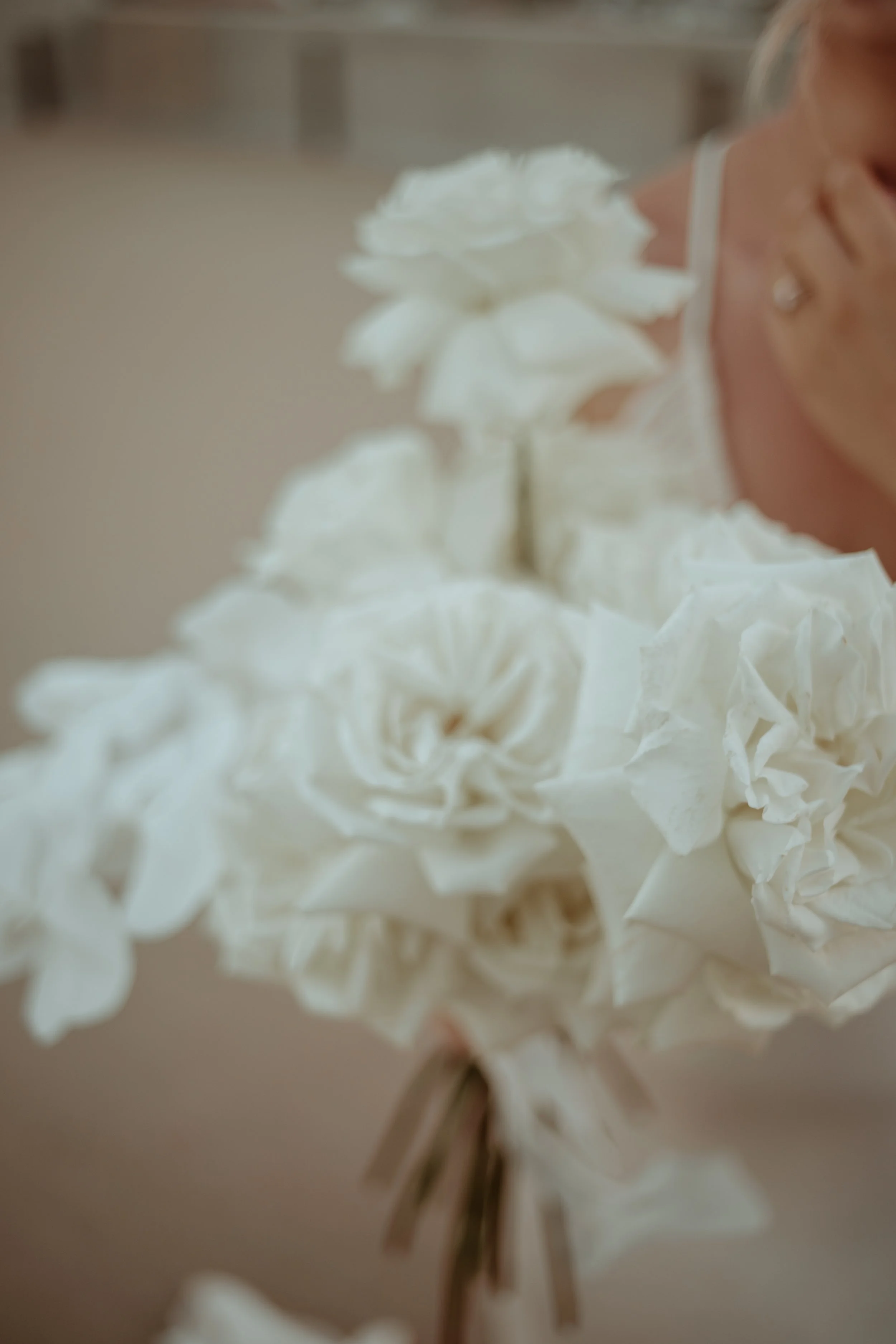
Hyper-trendy florals can also be risky. While we established that flowers generally photograph beautifully, specific floral trends come and go. The tightly packed, all-white rose ball arrangements of the mid-2000s look dated now, as do the excessively wild and loose "just picked from the garden" arrangements that peaked around 2018. The sweet spot is working with a skilled florist who understands both current aesthetics and classic design principles, creating arrangements that feel organic and intentional rather than slavishly on-trend.
That said, some current trends show real promise for longevity. The movement toward more sustainable, locally-sourced weddings reflects a genuine shift in values rather than just aesthetic preference. The embrace of family heirlooms and vintage elements, when done thoughtfully, creates depth and story in photos. The return to more intimate guest lists and carefully curated experiences over elaborate productions tends to create more emotionally resonant photography.
Playing With Trends (Without Regret)
The secret isn't avoiding trends entirely — it's about being strategic in how you incorporate them. Think of your wedding design as having layers: a timeless foundation, a personal middle layer, and trend-inspired accent touches. This approach gives you the best of both worlds.
Start with your venue choice, which will set the tone for everything else. Venues with good bones and architectural integrity tend to photograph beautifully regardless of how you style them. A historic estate, a modern gallery space with clean lines, a natural outdoor setting — these provide a strong foundation that won't feel dated. Conversely, venues that are themselves heavily themed or decorated in a very specific style can date your photos before you even add your own touches.
When it comes to incorporating current trends, do so in ways that are easily identifiable as additions to your base aesthetic rather than the core of it. Maybe you love the current trend of colorful taper candles. Great — include them in your tablescape, but make sure your overall design doesn't hinge on them. In twenty years, they'll read as a fun, colorful accent from your era rather than a dated focal point. The same goes for trendy stationery treatments, specialty cocktails with on-trend ingredients, or contemporary music choices for your ceremony.
Your personal style should always be the loudest voice in the room. If you genuinely love something that happens to be trendy right now, and it authentically reflects who you are, go for it. The photos will feel true to you even if the specific trend fades. The warning signs appear when you're drawn to something primarily because you've seen it everywhere, not because it actually resonates with your aesthetic sensibilities. Before committing to any design choice, ask yourself: "Would I still choose this if I hadn't seen it at three other weddings recently?"
Working with experienced vendors who understand this balance makes an enormous difference. Designers and photographers who've been in the industry long enough to watch trends cycle through have invaluable perspective. They can help you distinguish between momentary fads and emerging classics, and they know how to incorporate fresh elements while maintaining a timeless foundation. Don't be afraid to directly ask vendors to show you weddings they designed or photographed five or ten years ago and discuss what still looks good and what feels dated.
What the Photo Albums Tell Us
Looking at wedding photography across decades reveals patterns in what endures and what doesn't. Museums, photography archives, and even personal family albums offer clear lessons if you know what to look for. The weddings that remain visually compelling decades later share certain characteristics that you can apply to your own planning.
Emotional authenticity always trumps styled perfection. When you look at wedding photographs from any era, the images that remain powerful are the ones capturing genuine moments and real emotion. Your grandmother crying during the ceremony, your partner laughing at something unexpected, the way you looked at each other during your first dance — these moments transcend trends entirely. The most future-proof decision you can make is prioritizing vendors and a wedding day structure that allows for authentic moments to unfold and be captured.
Images with strong composition and good lighting age better than heavily processed photos. Photography trends change dramatically; think about the soft-focus glamour shots of the 1980s or the heavy HDR processing popular in the early 2010s. But well-composed images with natural, flattering light remain beautiful forever. This is why your photographer choice matters so much. Look for photographers whose work demonstrates strong technical skill and compositional sense beyond just editing trends.
Less visible branding creates more timeless images. This might seem counterintuitive in an era of Instagram-worthy details, but photos without obvious logos, branded elements, or very identifiable products age better. This doesn't mean you can't use recognizable items, but be thoughtful about how prominently they feature. Your bouquet should be the star, not the designer ribbon wrapped around it.
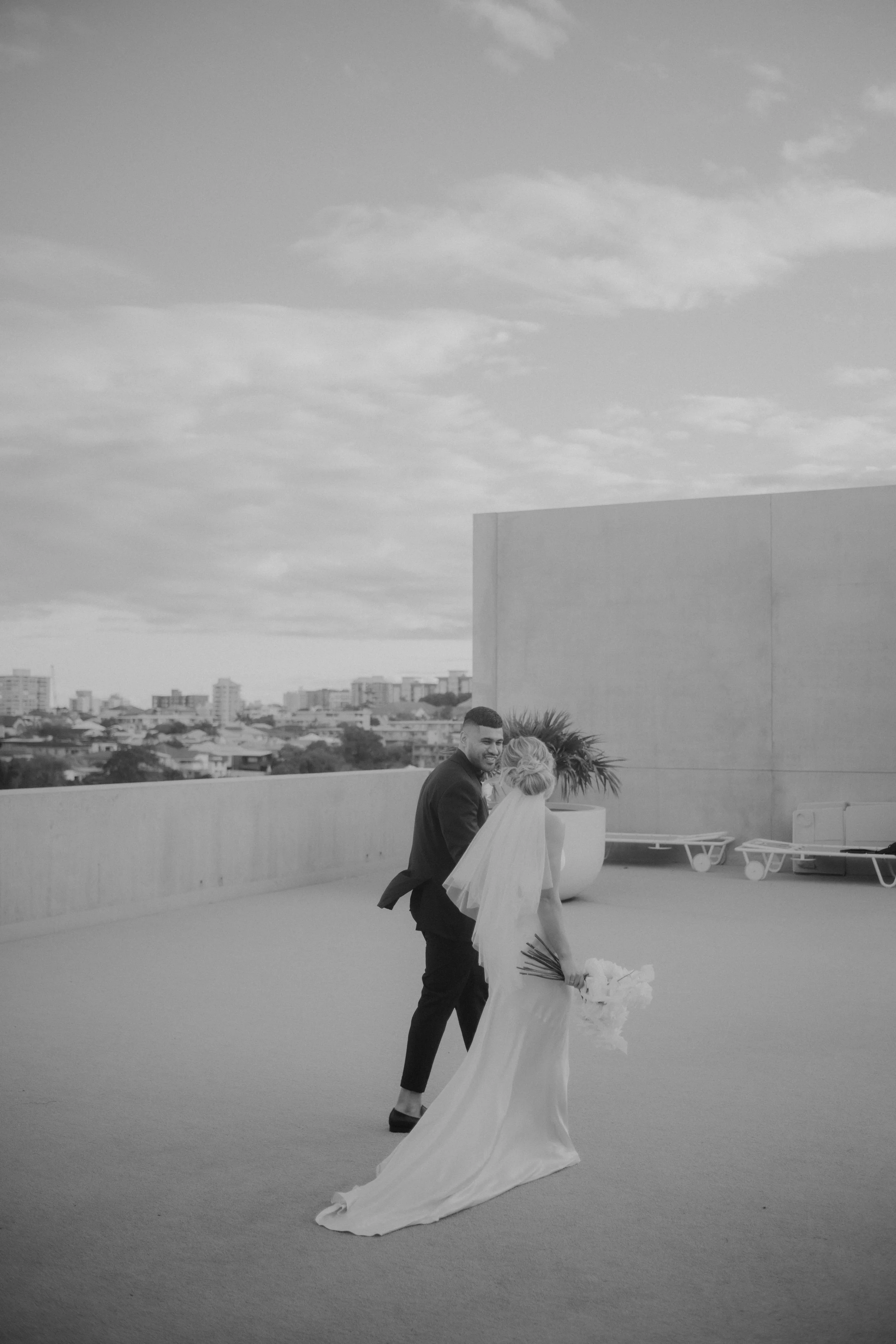
The venue and natural environment provide context that helps photos age gracefully. Wedding photos that include the natural beauty of the location, the architecture of the space, or the quality of natural light tend to remain visually interesting even as fashion and styling trends change. This is another reason to choose your venue carefully and to work with a photographer who knows how to incorporate those elements into your images.
Building Your Own Desicion-Making Framework
Creating a wedding aesthetic that will age well requires developing your own decision-making framework. Here's how to build one that serves you throughout the planning process and results in photos you'll love for decades.
Start by gathering inspiration not from the past year of weddings, but from a broader timespan. Look at weddings from 5, 10, even 20 years ago. Which ones still look beautiful to you? What elements feel dated, and what elements feel classic? This exercise quickly reveals the difference between trend-driven choices and more enduring ones. Create a mood board that spans different time periods, and you'll start to see which aesthetic elements have real staying power.
Define your personal style independent of wedding trends. What do you wear in your everyday life? How is your home decorated? What art do you respond to? Your wedding should be an elevated version of your existing aesthetic, not a departure into someone else's style just because it happens to be popular. If you live in jeans and simple jewelry, a heavily ornate maximalist wedding probably isn't authentically you, regardless of whether maximalism is having a moment.
Invest heavily in the elements that matter most in photographs. This typically means your photographer, your attire, your flowers, and your lighting. These are the components that will be most visible in your photos decades from now. It's perfectly acceptable to save money on elements that won't be heavily photographed or that are more about guest experience than visual impact.
When in doubt, edit down rather than adding more. One of the most common regrets people express about their wedding photos is feeling like they were "too much" — too many details, too many design elements, too much stuff competing for attention in each frame. Restraint and intentionality almost always age better than abundance. This doesn't mean your wedding should be sparse or minimal if that's not your style, but it does mean every element should earn its place.
Moving Forward With Confidence
The tension between trendy and timeless doesn't have to be a source of anxiety. It's actually an opportunity to think critically about what you want your wedding to communicate, both in the moment and in the future. Your photos will inevitably reflect the era in which you married, and that's not something to avoid. The goal isn't to create a wedding that exists outside of time, but rather to build something that feels genuine to who you are while being grounded in principles of enduring design.
Remember that the most important element in any wedding photo is actually the least controllable: the love and joy between you and your partner, and the celebration of your community gathered around you. Get that right, and even if you make a few trendy choices that don't age perfectly, your photos will still be beautiful because they capture something real and meaningful. Let that take the pressure off the pursuit of perfection.
Trust your instincts, work with talented people who share your vision, and give yourself permission to make choices that feel true to you, even if they don't align with what everyone else is doing. That authenticity will shine through in your photos far more than any trendy detail or carefully curated aesthetic. Your wedding will age well not because you avoided every trend, but because you created something that genuinely reflected your love story, your values, and your joy. And that never goes out of style.